The information on this website is general in nature and does not take into account your objectives, financial situation, or needs. Consider seeking personal advice from a licensed adviser before acting on any information.
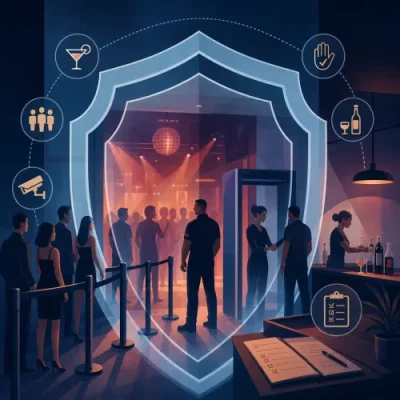
Public liability insurance can help nightclub operators respond to claims involving patron injury or third-party property damage. For Australian venues, alcohol service, crowd behaviour, security practices and RSA obligations can all influence risk, policy terms and claims outcomes.
Introduction to nightclub public liability insurance
Nightclubs operate in a high-energy environment where alcohol, crowds, music, low lighting, late trading hours and security decisions can all affect risk. If a patron slips on a wet floor, is injured in a crowd movement, alleges poor security response, or suffers property damage while at the venue, the business may face a claim.
Nightclub public liability insurance is designed to help protect a venue against certain third-party claims for personal injury or property damage connected with its business activities. Depending on the policy and circumstances, it may help with legal defence costs, settlements or compensation where the venue is legally liable.
This article explains how public liability insurance works for nightclub venues, with a particular focus on alcohol-related incidents, patron behaviour, security practices, Responsible Service of Alcohol obligations and the types of information insurers may consider when assessing cover or claims. It is general information only and does not take into account your venue's circumstances, licence conditions or policy terms.
Why public liability matters for nightclub venues
Public liability insurance is not simply an administrative expense for a nightclub. It is a practical risk-transfer tool for a business that regularly invites members of the public onto its premises. Nightclubs can have higher public liability exposure than many other businesses because patrons may be moving quickly, dancing, drinking alcohol, using stairs, gathering in queues, interacting with security and leaving the venue late at night.
In Australia, public liability insurance may be required by landlords, venue hire agreements, event organisers, suppliers, councils or licensing-related arrangements. Whether it is legally required in a specific situation depends on the venue, jurisdiction and contractual arrangements. Even where it is not expressly required, many nightclub operators consider it a core part of their broader insurance program.
For broader cover beyond public liability, including property, contents, stock, vehicles and business interruption considerations, operators can review the wider nightclub insurance options available for Australian venues.
Common public liability risks in nightclubs
Public liability claims can arise from a wide range of incidents. Some are simple accidents; others involve disputed facts, alcohol service, crowd control decisions or allegations about what staff should have done differently.
- Slips, trips and falls: spills, broken glass, uneven flooring, stairs, poor visibility, crowded walkways or wet entry areas can contribute to injuries.
- Dance floor injuries: patrons may collide, fall, be pushed, or be injured by damaged flooring, lighting equipment or overcrowding.
- Queue and entry incidents: claims can arise from crowd movement, aggression, intoxication, ID disputes or inadequate control near the entrance.
- Patron altercations: fights, assaults or aggressive behaviour may lead to allegations that the venue failed to manage foreseeable risk.
- Security-related claims: a patron may allege excessive force, poor intervention, inadequate monitoring or unsafe ejection practices.
- Third-party property damage: patrons or visitors may claim damage to personal items, equipment or nearby property connected with venue operations.
- Event-specific risks: themed nights, live performances, guest DJs, pyrotechnics, temporary structures or increased patron numbers may change the risk profile.
Not every incident will be covered, and not every claim means the venue is legally liable. The outcome depends on the facts, evidence, policy wording, exclusions and applicable law.
How alcohol-related incidents affect liability risk
Alcohol is central to many nightclub business models, but it also creates one of the most distinctive liability exposures. Claims involving intoxicated patrons can be complex because several factors may be considered, including service decisions, staff observations, crowd management, venue procedures and whether the incident was reasonably foreseeable.
Examples of alcohol-related public liability scenarios may include:
- a patron who falls after being served alcohol and alleges the venue continued service despite visible intoxication;
- an intoxicated person injuring another patron after staff failed to intervene in escalating aggression;
- a patron being removed from the venue and later claiming injury during the ejection process;
- damage to a neighbouring property following a disturbance connected with the venue;
- an incident in a queue where intoxication and crowd pressure contributed to injury.
Some policies may include cover for alcohol-related liability within public liability terms, while others may treat liquor liability differently or apply specific conditions, limits or exclusions. Operators should not assume that every incident involving alcohol is automatically covered. The exact position depends on the insurer, policy wording and circumstances of the claim.
RSA obligations and insurance risk
Responsible Service of Alcohol, commonly known as RSA, is an important operational and compliance issue for Australian nightclub venues. RSA requirements are governed by state and territory liquor laws and licensing conditions, so the details can vary depending on where the venue operates.
From an insurance perspective, RSA obligations matter because they are part of the risk environment surrounding alcohol service. A claim may involve questions such as whether staff were appropriately trained, whether service should have been refused, whether intoxication was identified, and whether the venue followed its own procedures.
Insurers may look closely at evidence of risk management, including:
- current RSA training for relevant staff;
- clear refusal-of-service procedures;
- records of incidents, refusals and removals;
- supervisor oversight during busy trading periods;
- procedures for handling intoxicated or aggressive patrons;
- communication between bar staff, floor staff and security;
- compliance with licence conditions and venue capacity limits.
Failure to follow RSA practices does not automatically determine the outcome of an insurance claim, but it can become relevant to liability, policy conditions or an insurer's view of the venue's risk. Fines, penalties or disciplinary action under liquor laws are generally different from public liability claims and may not be covered by public liability insurance.
Patron behaviour, aggression and assault allegations
Nightclub operators cannot control every decision made by every patron. However, they are expected to take reasonable steps to manage foreseeable risks within their venue. This is where patron behaviour becomes important for both risk management and insurance.
A public liability claim involving patron aggression may examine whether the venue had appropriate systems to identify and respond to escalating behaviour. For example, a claim may ask whether security staff noticed repeated aggression, whether an intoxicated patron was served further alcohol, whether staff had a clear escalation process, or whether crowding made it difficult to intervene safely.
Assault-related claims can also raise complicated coverage issues. Policies commonly exclude intentional acts by the insured or deliberate misconduct. Claims involving assault by staff, contractors or security personnel may require close review of the policy wording and the facts. If security is provided by an external contractor, the venue should understand the contractor's insurance arrangements and contractual responsibilities, rather than assuming the nightclub's public liability policy will respond to every situation.
Security practices and crowd control
Security practices are often central to nightclub public liability insurance because security staff are involved in entry control, patron monitoring, conflict de-escalation, removals and emergency response. A well-managed security process can help reduce incidents and provide useful evidence if a claim occurs.
Important security and crowd control considerations include:
- Entry screening: checking IDs, assessing intoxication, refusing entry where appropriate and managing queues safely.
- Venue monitoring: observing behaviour on the dance floor, near bars, in bathrooms, in smoking areas and around exits.
- Capacity management: maintaining safe patron numbers and avoiding overcrowding in high-traffic areas.
- De-escalation: using appropriate communication and intervention before behaviour becomes violent or unsafe.
- Removal procedures: ensuring ejections are handled lawfully, safely and consistently with venue policy.
- Contractor management: confirming that security providers are licensed where required, properly briefed and adequately insured.
- Incident reporting: documenting what occurred, who was involved, what action was taken and whether emergency services were contacted.
Insurers may ask about these practices when assessing a nightclub's application, setting policy terms or reviewing a claim. A venue with documented procedures and consistent staff training may be in a stronger position to explain how it manages risk, although this does not guarantee cover, pricing or claims outcomes.
What a public liability policy may cover
The exact cover depends on the policy, but public liability insurance for a nightclub commonly focuses on claims by third parties alleging personal injury or property damage connected with the venue's business operations. A policy may respond to covered claims by assisting with legal defence costs and compensation if the venue is found liable or settles with insurer approval.
Key policy components usually include:
- Limit of liability: the maximum amount the insurer will pay for covered claims, subject to the policy terms.
- Excess: the amount the business may need to contribute towards a claim.
- Covered activities: the venue operations, events or activities accepted by the insurer.
- Conditions: obligations the insured must meet, such as disclosure, notification, risk controls or cooperation during a claim.
- Exclusions: circumstances or types of loss that are not covered.
Public liability insurance is different from property insurance, workers compensation, management liability, cyber insurance and business interruption insurance. Nightclub operators should consider how public liability fits within their broader risk program rather than relying on one policy to cover every exposure. For a wider overview of cover types, see the guide to choosing the right nightclub insurance.
Common exclusions and limitations to check
Exclusions vary by insurer and policy wording, so nightclub operators should read the Product Disclosure Statement, policy schedule and any endorsements carefully. It may also be useful to ask a broker or insurer to explain how the wording applies to your venue's activities.
| Area to check |
Why it matters for nightclubs |
| Alcohol or liquor liability conditions |
Some policies may impose conditions or exclusions around alcohol service, intoxication or liquor law compliance. |
| Assault, battery or intentional acts |
Claims involving deliberate violence, staff conduct or security actions may require careful policy review. |
| Security contractors |
The venue should understand whether contractor-related incidents are covered and what insurance contractors must hold. |
| Events and entertainment |
Live acts, ticketed events, external promoters or unusual activities may need disclosure or separate approval. |
| Capacity and licensing compliance |
Breaches of licence conditions, occupancy limits or safety rules may affect risk and claims assessment. |
| Contractual liability |
Liabilities accepted under contracts may not be covered unless the policy specifically allows them. |
| Fines and penalties |
Regulatory fines, penalties or licence sanctions are generally different from third-party injury or property damage claims. |
If any part of the policy is unclear, it is better to clarify it before an incident occurs. A low premium may not be useful if the policy excludes the activities or risk profile that are central to the nightclub's operations.
Information insurers may ask for
When arranging or renewing nightclub public liability insurance, insurers may request details about the venue and its risk controls. The questions asked vary between providers, but may include:
- venue location, capacity and trading hours;
- annual turnover, patron numbers and event frequency;
- type of entertainment, such as DJs, live music or special events;
- alcohol service procedures and RSA training;
- security arrangements, including internal staff and external contractors;
- claims history and incident trends;
- licence conditions or any past compliance issues;
- floor layout, stairs, dance floor areas, outdoor areas and smoking zones;
- maintenance procedures, cleaning schedules and hazard reporting;
- whether external promoters, performers or contractors use the venue.
Accurate disclosure is important. If a nightclub changes its operations, expands trading hours, increases capacity, starts hosting different types of events or changes security arrangements, the operator should consider whether the insurer needs to be notified.
Risk management steps that may support better claims outcomes
Insurance is only one part of managing nightclub liability risk. Practical risk management may reduce the likelihood of incidents and can help provide evidence if a claim is made. It may also assist insurers in understanding how the venue manages exposure, although it does not guarantee lower premiums, policy acceptance or a particular claims result.
Useful steps include:
- maintaining written RSA, incident response and refusal-of-service procedures;
- training bar, floor and security staff on escalation and communication;
- keeping clear incident logs, including refusals of service and removals;
- using regular cleaning and glass collection procedures during trading;
- reviewing lighting, flooring, stairs, railings and high-traffic areas;
- briefing security before major events and expected high-capacity nights;
- checking contractor licences, insurance and responsibilities;
- reviewing CCTV retention practices where lawful and appropriate;
- conducting post-incident reviews to identify preventable patterns;
- updating insurers or brokers when venue operations materially change.
Venue-specific risk assessment can be valuable because no two nightclubs operate in exactly the same way. Operators who want help interpreting policy terms or presenting their risk profile can seek guidance through specialist insurance brokers.
Cost considerations for nightclub public liability insurance
The cost of public liability insurance for a nightclub depends on multiple factors. Insurers may consider the venue's size, location, operating hours, patron capacity, event types, alcohol service, security arrangements, claims history, risk controls and requested limit of liability.
Nightclub operators sometimes focus heavily on premium, but the cheapest available policy may not provide appropriate protection if it has low limits, restrictive exclusions or conditions that do not match the venue's activities. The aim is to find cover that is suitable for the venue's risk profile and budget, based on available insurer options and underwriting criteria.
Ways to have a more informed cost discussion include:
- providing accurate and complete information to insurers or brokers;
- explaining risk controls rather than only describing the venue's activities;
- reviewing excess options and understanding the cash-flow impact of a claim;
- checking whether activities such as external promotions or live events are included;
- comparing policy wording, limits and exclusions, not just premium.
Premiums, terms and acceptance are never guaranteed. They depend on the insurer's underwriting approach and the individual circumstances of the business.
Steps to take if an incident occurs
A clear incident response process can protect patrons, support staff and preserve information needed for a possible claim. The first priority is always safety.
- Make the area safe. Assist injured people, call emergency services where required and prevent further harm.
- Notify the right people internally. Ensure managers, security supervisors and relevant staff are aware of the incident.
- Record the facts promptly. Note the time, location, people involved, staff on duty, witnesses, actions taken and any contributing conditions.
- Preserve relevant evidence. This may include incident reports, CCTV, cleaning logs, staff rosters, security notes and maintenance records.
- Avoid admitting liability. Staff should be supportive and factual, but should not make promises about fault, compensation or insurance outcomes.
- Notify the insurer or broker early. Follow the policy's claim notification requirements and provide requested information.
- Review the incident afterwards. Consider whether procedures, staffing, layout or training need to change.
Late notification, missing records or inconsistent accounts can make claims more difficult to assess. Well-kept incident records can be particularly important in alcohol-related claims, where recollections may differ and the sequence of events is disputed.
Questions to ask before choosing or renewing cover
Before arranging or renewing public liability insurance, nightclub operators may wish to ask:
- Does the policy respond to alcohol-related liability claims, and are there any special conditions?
- How does the policy treat assault allegations, patron fights or security-related incidents?
- Are external security contractors, promoters, performers and event organisers properly addressed?
- Are all regular activities, trading hours and event types disclosed and accepted?
- What exclusions apply to intoxication, unlawful acts, licence breaches or intentional conduct?
- What incident records would the insurer expect to see after a claim?
- Is the limit of liability appropriate for the venue's size, location and patron exposure?
- What changes to the business must be disclosed during the policy period?
These questions can help operators move beyond price and focus on whether the policy wording aligns with the realities of running a nightclub.
Key takeaways
Public liability insurance is a critical consideration for nightclub venues because patrons, contractors and other third parties can be exposed to injury or property damage risks during normal operations. For nightclubs, alcohol-related incidents, patron aggression, security decisions, RSA practices and incident records can be especially important.
The right approach is not only to buy a policy and file it away. Operators should understand what is covered, what is excluded, what conditions apply and how venue procedures support both risk reduction and claim response. Insurance terms, pricing and claims outcomes depend on the individual business, the insurer's criteria and the specific circumstances of any incident.
By combining suitable cover with strong RSA practices, security management, staff training and clear incident documentation, nightclub operators can put themselves in a better position to manage public liability risk while continuing to operate a safe and commercially sustainable venue.
Published: Thursday, 27th Feb 2025
Author: Paige Estritori




No comments yet. Be the first to share your thoughts.