Why Battery Fire Risk Belongs in Your Next Shop Insurance Review
Retailers selling, storing or charging powered devices may face closer questions from insurers
2
The information on this website is general in nature and does not take into account your objectives, financial situation, or needs. Consider seeking personal advice from a licensed adviser before acting on any information.
Lithium-ion battery risk is moving from a niche safety issue to a practical insurance concern for Australian retailers.
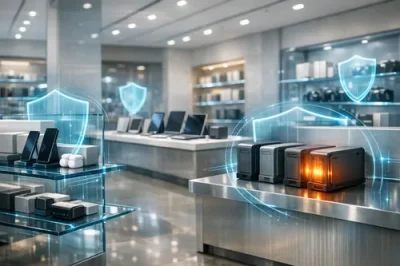
As more shops sell, store, repair or use rechargeable devices, insurers are paying closer attention to how battery-related fire exposure is managed.
For small retailers, the issue is not limited to e-bike stores or electronics outlets.
Batteries can sit inside scanners, payment terminals, display products, toys, mobility devices, power tools, laptops and customer repair items.
The concern is straightforward: a single overheating battery can cause a fast-moving fire, smoke damage, water damage from firefighting and a lengthy clean-up. Even if the incident is contained, a retailer may face damaged stock, ruined fit-out, electrical repairs, temporary closure and lost income. For businesses trading on tight margins, the interruption can be just as serious as the physical damage.
This is where insurance wording and risk management need to work together. Property cover may respond to insured fire damage, but retailers should not assume every cost will automatically be covered. Policy limits, excesses, exclusions, stock declarations, hazardous goods conditions and business interruption settings can all affect the final claim outcome. If batteries form a meaningful part of your stock or operations, it is worth checking whether your insurer treats them as a higher-risk exposure and whether any storage or charging conditions apply.
Practical steps can also strengthen a renewal submission. Retailers should document where batteries are stored, how damaged or returned items are handled, whether charging occurs after hours, and what fire detection or suppression arrangements are in place. Keeping batteries away from exits, avoiding overcrowded charging boards, training staff to identify swollen or damaged units, and using supplier-approved chargers can all help reduce risk. Retailers should also estimate replacement values for stock, contents, electronics and fit-out using current costs rather than old purchase prices.
The public liability angle should not be overlooked either. If a product sold by a store allegedly causes injury or third-party property damage, the issue may extend beyond the shop premises. Retailers importing, rebranding or modifying battery-powered products should be especially careful to understand product liability exposures and supply chain responsibilities.
For shop owners, the message is not to panic or remove every rechargeable product from the shelves. It is to make battery exposure visible before renewal or before a claim occurs. A conversation with a broker or adviser can help clarify whether your current policy reflects the way your business actually operates, particularly if your stock mix has changed, online sales have grown, or charging and storage practices have evolved.
Please Note: We do not endorse any specific products or companies. Some content is sourced from third parties, including press releases, and may not be independently verified for accuracy or completeness.
Australia's construction sector remains under pressure, with recent insolvency figures continuing to show building and construction as one of the most exposed parts of the economy. Higher material costs, tight margins, labour shortages, delayed payments and fixed-price contract stress have all contributed to a tougher operating environment for builders, subcontractors and project owners. - read more
Recent transport industry sales updates point to a more selective new-truck market, with operators weighing replacement timing against finance costs, emissions planning, availability and contract confidence. For truck businesses, that matters well beyond the showroom. A change in buying momentum can flow through to vehicle values, repair economics, insurer appetite and the way fleets should set insurance sums before renewal. - read more
Fresh small business cyber warnings are a practical reminder that digital risk is no longer just a concern for large companies with complex IT systems. For Australian tradespeople, the most damaging cyber incident may be far simpler: a fake invoice, altered bank details, a compromised email account or a scam message that looks like it came from a supplier, builder, real estate agent or client. - read more
ASIC’s continuing focus on superannuation member services has put another practical issue in front of Australian workers: insurance inside super is not just about whether cover exists, but whether members can understand and use it when they need help. Recent regulatory attention on trustee administration, communication and claims support is a timely reminder for anyone relying on salary continuance or income protection benefits through their fund. - read more
Recent transport industry reporting has again highlighted growing interest in Performance Based Standards vehicles and other high-productivity truck combinations across Australia. For operators, the attraction is clear: fewer trips, better payload efficiency and stronger productivity on approved routes. For insurers, however, the shift is not simply a matter of adding another truck to the schedule. PBS combinations can alter exposure across vehicle value, route compliance, load responsibility, driver capability and recovery after an incident. - read more
Public liability insurance can help nightclub operators respond to claims involving patron injury or third-party property damage. For Australian venues, alcohol service, crowd behaviour, security practices and RSA obligations can all influence risk, policy terms and claims outcomes. - read more
Nightclub insurance costs can vary widely because insurers assess each venue's risk profile, cover needs and claims history. This guide explains the factors that may influence premiums and how Australian nightclub operators can prepare accurate information for a quote or renewal review. - read more
The nightlife industry is undergoing a significant digital transformation, reshaping how nightclubs operate and engage with their patrons. From online bookings to digital payments, many nightclubs are embracing technology to enhance customer experience and streamline operations. However, this digital shift comes with its own set of challenges. - read more
In the dynamic world of running a nightclub, unforeseen incidents can happen at any time. Whether it's a lively crowd that gets out of hand or an unexpected electrical issue that disrupts your night, the challenges of managing a nightlife venue are uniquely demanding. That's why having the right insurance coverage is not just advisable, it's essential for every nightclub owner. - read more
Nightclub contents, stock and equipment insurance can help protect the physical assets that keep a venue operating, from sound and lighting gear to bar stock, refrigeration, furniture and fit-out. This guide explains what operators should consider before choosing cover limits. - read more
Knowledgebase
Trauma Insurance: An insurance that pays a lump-sum amount on the diagnosis of one of several critical illnesses or events




No comments yet. Be the first to share your thoughts.